Introduction
Whipped cream is a delightful topping that provides its airy texture and sweet flavor to a broad selection of desserts, from cakes to pies and everything in between. However, the obstacle lots of face is keeping the whipped cream's stability gradually. That's where whipped cream stabilizers enter into play. In this comprehensive guide, we will decipher the secret behind whipped cream stabilizers, exploring their significance, types, and usage ideas. By the end of this post, you'll be well-equipped with understanding that not only improves your culinary abilities but also guarantees your whipped cream remains as luscious as intended.
What Are Whipped Cream Stabilizers?
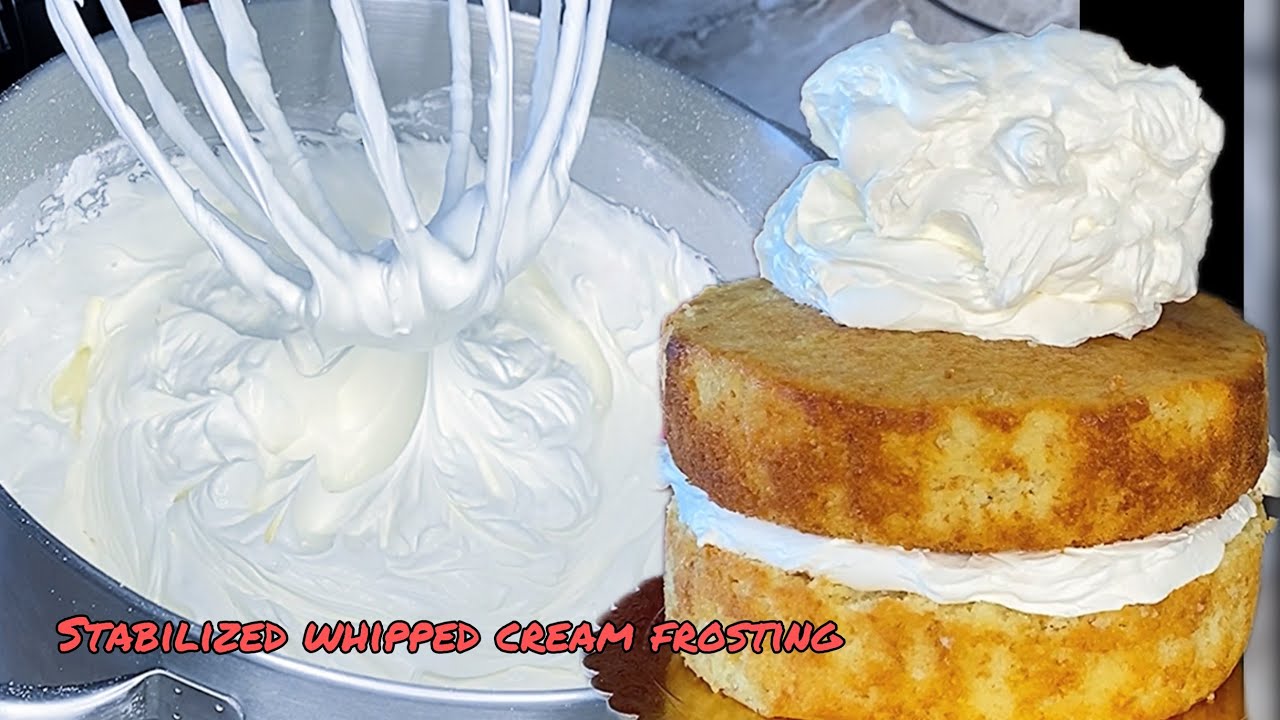
Whipped cream stabilizers are additives that help keep the structure and texture of whipped cream gradually. They prevent the typical issues of deflation and weeping (the separation of liquid from the cream). When you whip cream, air is incorporated into it, developing a light and fluffy texture. However without correct stabilization, this air can get away, causing an undesirable mess.
Why Use Stabilizers in Whipped Cream?
Using stabilizers in your whipped cream can provide several advantages:
- Longevity: Supported whipped cream can last for hours and even days without losing its shape. Texture: It keeps a smooth and creamy consistency. Appearance: It avoids weeping, guaranteeing your dessert looks as excellent as it tastes.
In short, if you want to serve a flawless dessert that holds up under numerous conditions, supporting your whipped cream is essential.
Types of Whipped Cream Stabilizers
There are numerous types of stabilizers available for whipped cream. Each has its distinct properties and utilizes:
1. Gelatin-Based Stabilizers
Gelatin is one of the most common components utilized for supporting whipped cream. Here's why:
- How it works: When dissolved in warm water and then cooled a little before being added to whipped cream, gelatin forms a gel-like structure that assists hold air within the cream. Pros: Creates a company texture; holds up well over time. Cons: Needs careful preparation; may not appropriate for vegetarians.
2. Instantaneous Pudding Mix
This approach is both simple and effective:
- How it works: Including instant pudding mix into the whipping process thickens the mixture while imparting flavor. Pros: Taste variety; acts quickly. Cons: Can change taste; extra sweetness.
3. Cornstarch
Cornstarch functions as an excellent thickening agent:
- How it works: When blended with sugar before whipping, cornstarch absorbs moisture and creates stability. Pros: Simple; gluten-free alternative available. Cons: May leave a slight gritty texture if not blended well.
4. Whipped Cream Stabilizer Powder
Specifically created for this function:
- How it works: These commercial items typically contain a blend of numerous supporting agents like modified food starch or gums. Pros: Easy to utilize; no additional preparation needed. Cons: May include ingredients; cost differs by brand.
5. Non-Dairy Options
For those who choose non-dairy options:

- How it works: Components such as coconut milk or soy-based creams can be supported likewise using gelatin or other thickeners. Pros: Ideal for vegans; diverse choices available. Cons: Flavor differs from standard whipped cream.
Choosing the Right Stabilizer for Your Needs
When selecting a stabilizer for your whipped cream, think about these elements:
Dietary Constraints: Exist any dietary choices or restrictions? Flavor Factors to consider: Does the stabilizer impact the flavor profile? Intended Usage: Will the whipped cream be utilized immediately or need to last?Understanding these aspects will help customize your option to fit perfectly with your culinary needs.
Best Practices for Utilizing Whipped Cream Stabilizers
To attain optimal outcomes when utilizing any type of stabilizer in your whipped cream:
1. Follow Guidelines Carefully
Ensure you're utilizing accurate measurements according to dishes or package instructions.
2. Include Gradually
Add stabilizers slowly throughout whipping rather than at one time to avoid clumping or irregular distribution.
3. Keep Temperature
Keep all active ingredients chilled before whipping-- this guarantees better volume and stability.
A Step-by-Step Guide on How to Make Stabilized Whipped Cream
Creating stabilized whipped cream is uncomplicated when following these actions:
Step 1: Collect Your Ingredients
You'll need heavy light whipping cream (a minimum of 36% fat), sugar (confectioners' chosen), and your chosen stabilizer (gelatin, cornstarch, and so on).
Step 2: Prepare Your Stabilizer
If utilizing gelatin:
Bloom it in cold water first for about 5 minutes. Gently heat up until dissolved however do not boil!If using cornstarch:
Mix it with sugar ahead of time.Step 3: Chill Your Mixing Bowl
Chill your mixing bowl and beaters in the fridge for about 15 minutes before beginning-- it helps attain optimum volume!
Step 4: Combine Ingredients
Pour cold heavy light whipping cream into your cooled bowl in addition to sugar and ready stabilizer.
Step 5: Beat Until Stiff Peaks Form
Start on low speed until bubbles form; then increase speed till stiff peaks form-- beware not to overbeat!
FAQs About Whipped Cream Stabilizers
What's the best method to shop supported whipped cream?
Store it in an airtight container in the fridge for approximately three days without compromising quality significantly.
Can I use flavored extracts with my supported whipped cream?
Absolutely! Simply include extracts like vanilla or almond during blending but watch on total sweet taste levels!
Is there a vegan substitute for gelatin?
Yes! Agar agar is an exceptional vegetarian alternative that operates likewise but requires various preparation methods.
How much stabilizer ought to I use?
Typically around one tablespoon per cup of heavy light whipping cream should be enough-- but check specific recipes!
Can I support store-bought whipped topping?
Most industrial toppings can not be supported even more efficiently due to their formula-- finest outcomes come from fresh whipping!
What takes place if I don't utilize a stabilizer?
Without stabilization strategies, anticipate deflation within hours-- your wonderfully piped designs won't hold up!
Conclusion
In summary, comprehending how to stabilize whipped cream opens doors to unlimited possibilities in baking and dessert production! Whether you're preparing desserts for unique celebrations or simply indulging yourself at home, mastering these methods guarantees every dollop remains perfect over time. From gelatin-based solutions to quick business powders-- there's something suited perfect for everybody's needs! So go forth confidently into your kitchen area equipped with Melbourne nang shops this detailed guide-- you're now all set to whip up some magic!
By following this guide on "A Comprehensive Guide to Whipped Cream Stabilizers," you'll elevate not just your desserts but likewise impress friends and family alike with ideal discussions every time! Delight in every scrumptious moment!